Caring for a senior dog, through the golden days
By Gomi's human — written from 11+ years alongside Gomi (@gomithesuperyorkie), not a vet's office · Last updated July 20, 2026 · about a 12-minute read
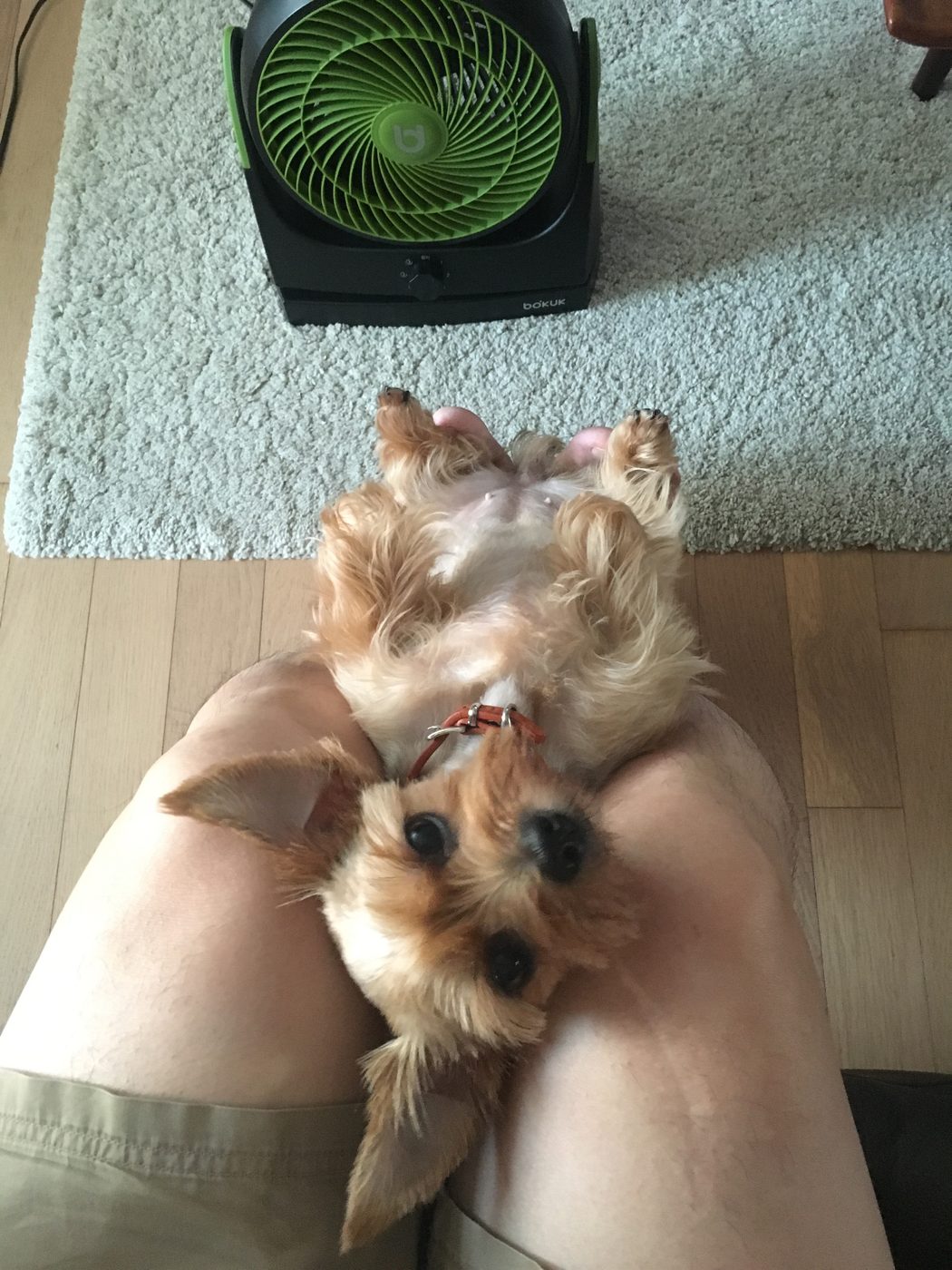
The senior years aren't something to dread — they're often the sweetest, most affectionate chapter you'll share with your dog. This guide walks through everything a senior dog's family wants to get right: knowing their life stage, spotting changes early, feeding and comfort, mind and mood, vet care, and gently making the most of the time you have.
Think of this as the map. Each section links to a deeper article when you want more, so you can start here and follow the paths that matter to your dog today.
None of this is guesswork. The approach here follows the 2023 AAHA Senior Care Guidelines for Dogs and Cats, which treat aging as a life stage to support rather than a disease to dread — and it's grounded in 11+ years of caring for one small, stubborn Yorkie named Gomi. Where the science matters, it's linked in what the research says near the end.
1. Know your dog's life stage
"Senior" isn't a single birthday — it depends heavily on size. Small dogs often aren't senior until 9–11, while large and giant breeds can be senior by 6 or 7 because they age faster. Getting a feel for where your dog sits helps everything else make sense.
- Estimate it with our free Dog Age Calculator (age in human years, by size).
- Understand the size effect: why big dogs age faster.
It helps to know that dogs don't age in a straight line. They race through the equivalent of their teens and twenties in the first couple of years, then aging gradually slows. A widely cited 2020 study from the University of California San Diego put real numbers to this, mapping a dog's biological age as a curve — roughly human age ≈ 16 × ln(dog age) + 31 — rather than a flat "seven years per year." Our calculator uses a size-aware version of the same idea, so the estimate reflects both age and build.
2. Notice the signs of aging early
Aging shows up in small ways long before anything is "wrong" — a slower climb up the stairs, greying around the muzzle, a longer afternoon nap. Noticing early lets you adjust comfort and catch treatable issues sooner.
Work through our senior dog signs checklist — 8 changes worth watching across mobility, energy, senses, and behavior. A quick weekly glance is all it takes to see patterns.
Why bother noticing early? Because most of what quietly shortens a senior dog's comfort — arthritis, dental disease, kidney or heart changes — is far easier to manage when it's caught as a small shift rather than a crisis. You're not hunting for problems; you're building a calm baseline of "what's normal for my dog," so the day something drifts from it, you'll be the first to know.
3. Food & appetite
Nutrition needs shift with age: many seniors need fewer calories but steady, high-quality protein, and some do better on softer food if their teeth are sore. Any change to how much your dog eats is worth paying attention to.
A fading appetite is one of the most common early signals — so if your dog goes off food, read why senior dogs stop eating for the common causes and when it means calling the vet. Always introduce diet changes gradually, and check big changes with your vet.
A few specifics worth knowing: many senior dogs still need good-quality protein to hold onto muscle even as their total calories drop, so "senior food" doesn't have to mean "less protein." Keep fresh water easy to reach, since older kidneys cope better with steady hydration, and weigh your dog — or feel along the ribs and waist — every few weeks. Slow, unexplained weight loss or gain is one of the most useful early signals there is.
4. Comfort & mobility at home
Small changes to the home make a big difference to stiff, older joints:
- Soft, supportive bedding in a warm, draft-free spot.
- Rugs or runners over slippery floors for confident footing.
- Ramps or steps to reach the sofa, bed, or car without jumping.
- Raised food and water bowls to spare the neck and back.
- Shorter, more frequent walks instead of one long outing.
Warmth matters more than people expect: stiff, older joints are happier in a draft-free spot away from cold floors, and a thicker bed or gentle heat source can visibly ease morning stiffness. If stairs are becoming a struggle, try keeping the essentials — bed, water, a favorite resting spot — on a single level, so your dog never has to choose between comfort and being near you.
Footing is the quiet one people miss. Slippery floors make an older dog brace and hesitate, which over time strains already-sore joints and shakes their confidence. Keep nails and paw-pad fur trimmed for grip, lay runners along the routes they use most, and add a ramp or a single low step wherever they still like to jump. Small traction fixes often do more for day-to-day comfort than anything else on this list.
5. Mind & mood
Dogs can experience cognitive changes as they age — a little confusion, pacing, staring, restlessness at night, or changes in how they greet you. A predictable routine, gentle enrichment (sniff walks, easy puzzle toys), and plenty of reassurance all help. Mention new confusion or night-time restlessness to your vet, since some causes are manageable.
When night-time pacing, disorientation, or "getting stuck" in corners appear, it can be a sign of canine cognitive dysfunction — a dog version of age-related cognitive decline. It's common, and it's not a failing on anyone's part. Much of it can be softened with routine, daytime light and activity, easy enrichment, and sometimes diet or medication your vet can talk through. The kindest first step is simply to raise it, rather than write it off as "just old age."
6. Vet care that stays ahead
The single most useful habit for a senior dog is more frequent check-ups — many vets suggest every six months rather than yearly. Routine senior blood work and dental checks catch kidney, liver, heart, and dental issues while they're easier to manage. Keep a simple written record of changes so nothing gets lost between visits.
What actually happens at a good senior visit is worth demystifying: alongside the hands-on exam, vets often suggest baseline blood work, a urine test, and a blood-pressure reading so there's something to compare against next time. The AAHA senior care guidelines recommend this kind of regular screening precisely because it turns invisible, early-stage problems into manageable ones. Bring your notes and any phone videos — a thirty-second clip of a stiff stand or a restless night tells your vet more than a paragraph of description.
A simple rhythm that keeps you ahead
You don't need a spreadsheet or a nursing degree to care well for a senior dog — you need a light, repeatable rhythm. Here's one that folds into an ordinary week and year without taking it over:
- Daily: a passing glance at appetite, water, energy, and toileting as you go about normal life — no notebook required, just awareness.
- Weekly: a two-minute run through the signs checklist, plus a gentle hands-on check for new lumps, sore spots, or a duller coat.
- Monthly: weigh your dog (or track body condition by feel), check nails, and look in the mouth for red gums or bad breath.
- Twice a year: a senior vet check-up with baseline blood work, as the AAHA guidelines suggest.
Written down once, a rhythm like this runs almost on its own — and it's exactly what the Golden Days journal is built to hold, so the small things get noticed instead of quietly forgotten. The goal isn't vigilance; it's peace of mind, and the freedom to just enjoy your dog the rest of the time.
7. Make the most of the golden days
Beyond the practical care, there's the part that matters most: being present for it. Senior dogs give us a gift — they slow us down and remind us to notice the ordinary moments. Keep them.
Gomi taught us this the slow way. For years the camera came out only for the big moments — the first snow, the birthday, the trip to the beach — and the ordinary evenings blurred together. It was when her muzzle started to grey that those ordinary evenings turned out to be the ones we'd have given anything to keep. Noticing them didn't take a plan; it took a decision to look. That, in the end, is what all the care above is really for: not just more days, but more noticed days, in a chapter that's quieter — and somehow sweeter — than any that came before.
That's the whole reason Gomi's Golden Days exists. Our 90-day memory & care journal pairs gentle daily prompts with space to track the small changes worth remembering, and the free Tiny Changes checklist helps you start today. Ordinary days become golden ones when we begin to notice them.
What the research says
The gentle, size-aware approach on this site isn't just sentiment — it lines up with current veterinary and scientific thinking:
- Aging is a life stage, not a disease. The 2023 AAHA Senior Care Guidelines for Dogs and Cats center the senior years on comfort, twice-yearly check-ups, and early detection rather than fear — the same spirit as this guide (AVMA summary).
- Dogs don't age on a "×7" line. A 2020 UCSD study (Wang et al., Cell Systems) compared DNA methylation in 104 Labradors and 320 people and found aging is steep early, then slows — closer to human age ≈ 16 × ln(dog age) + 31 than any flat multiplier (study PDF, NIH/NIA overview).
- Size changes the timeline. Larger dogs reach their senior stage earlier — the reason our age calculator asks for adult size, and the focus of why big dogs age faster.
Frequently asked questions
When is a dog considered a senior?
Mostly it's about size: small dogs around 9–11 years, medium around 8–10, large and giant breeds as early as 6–7. Try the age calculator for your dog.
How often should a senior dog see the vet?
Many vets recommend every six months for seniors, so age-related conditions are found and managed sooner.
Is caring for an old dog expensive or hard?
It's mostly about attention, not expense — comfort, routine, good food, and regular check-ups. Catching issues early often costs far less, in every sense, than waiting.
Do senior dogs need a special diet?
Often, but not always. Many do well on a senior formula with steady, high-quality protein and slightly fewer calories, and some benefit from softer food or joint support. Because the right choice depends on your dog's weight, teeth, and any health conditions, it's worth a quick word with your vet before switching.
How do I tell normal aging from a health problem?
The rule of thumb: gradual changes that fit the whole picture are usually just aging, while sudden changes — or anything paired with pain, vomiting, heavy drinking, or weakness — deserve a call. When you're unsure, that's exactly what your vet is for; asking is never an overreaction.