Growing
The earliest months bring rapid physical and behavioral development.
The old “multiply by seven” rule misses a lot. Add your dog’s age and adult size for a more thoughtful human-years estimate — then see what Gomi has to say about it.
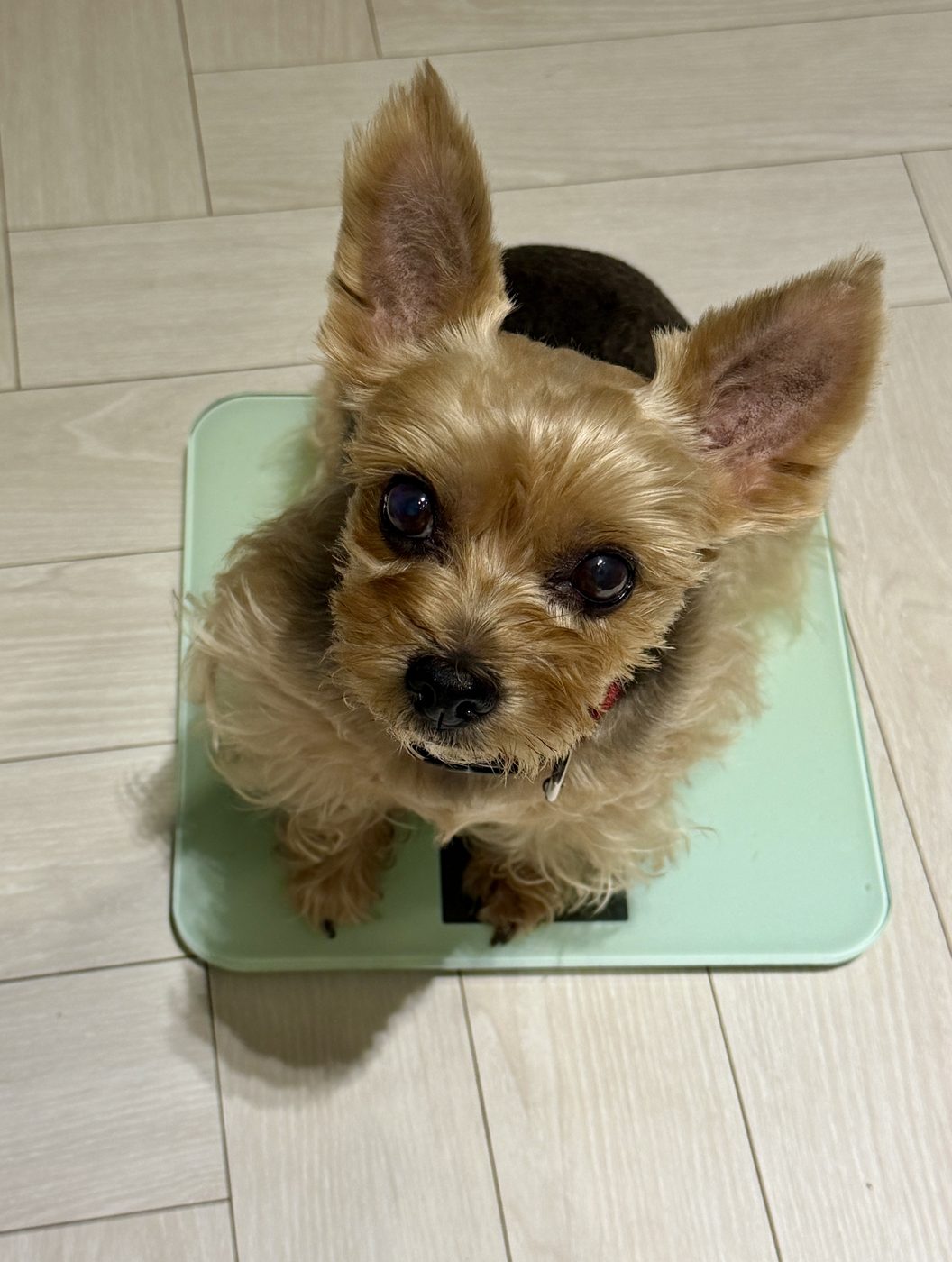
Every dog ages differently. Every day with them is golden.
A playful estimate based on the AAHA physiological age chart. It is not veterinary advice.
Dogs mature much faster than people during their first two years. After that, the pace varies with adult size: larger dogs generally move through later life stages sooner than smaller dogs.
This calculator uses your dog’s exact age in years and months, then estimates a human-equivalent age from a size-based physiological age chart. It is a helpful way to think about life stage—not a diagnosis or a prediction of lifespan.
Curious why size makes such a difference? Read do big dogs age faster? for a size-by-size comparison and the science behind it. New to senior dog care? Start with our complete senior dog care guide.
The earliest months bring rapid physical and behavioral development.
Adult years vary by dog, with size becoming more meaningful over time.
Senior timing differs, but small changes in comfort and routine are worth noticing.
As dogs grow older, tiny shifts in energy, appetite, sleep, movement, and mood can matter. Enter your email below and I'll send Gomi's free one-page Tiny Changes Checklist — a gentle way to notice what matters in your senior dog's days.

This calculator grew from the same thought as Gomi’s journal: ordinary days become precious when we begin to notice them.
Read Gomi’s story →Not exactly. Dogs mature quickly in their first years, and their later aging rate varies with adult size. This calculator uses a size-aware age chart rather than multiplying every year by seven.
Dogs of different adult sizes tend to age at different rates, especially later in life. Large and giant dogs generally reach senior life stages earlier than smaller dogs.
No. It is a playful estimate based on a physiological age chart. Breed, genetics, health, and lifestyle also affect aging, so the result is not veterinary advice.